

Buying a Flat in Mumbai? 10 Things to Check Before You Buy


By Chandak Group
10 Minutes
29th August 2026
0 like
Buying a Flat in Mumbai? 10 Things to Check Before Choosing a Residential Project
Before buying a flat in Mumbai, buyers should evaluate more than just the apartment design or amenities. The most important factors include location connectivity, developer credibility, RERA compliance, project quality, infrastructure growth and long-term suitability. A well-researched decision helps buyers choose a home that matches their lifestyle requirements while also protecting their long-term investment.
Mumbai’s real estate market offers a wide range of options across established and emerging suburbs. However, choosing the right project requires understanding what actually impacts everyday living and future value.
Buyers who are still understanding the overall purchase journey can also familiarise themselves with the home buying process in Mumbai, from setting a budget and shortlisting locations to RERA verification, documentation and possession.
Check Possession Timeline and Construction Progress
Possession timing is particularly important if you are purchasing the property for self-use or planning your finances around the expected handover.
Compare:
Promised possession date → RERA-registered possession date → Actual construction progress
Visit the construction site, if possible, and assess whether the current stage of construction appears consistent with the declared timeline.
For under-construction projects, buyers should also understand the contractual consequences of delays and the applicable rights and remedies under the law and the Agreement for Sale.
Why Is Location the First Thing to Evaluate Before Buying a Home?

A home is not just defined by the building; the surrounding neighbourhood plays an equally important role.
Before finalising a property, buyers should evaluate:
| Location Factor | Why It Matters |
|---|---|
| Connectivity | Impacts daily commute and accessibility |
| Social infrastructure | Determines access to schools, hospitals and essentials |
| Employment hubs | Influences convenience for working professionals |
| Future development | Can improve long-term neighbourhood relevance |
Buyers should also consider whether an established neighbourhood or an emerging micro-market better matches their lifestyle, commute requirements and long-term plans. A well-connected location can improve everyday convenience and make a property more suitable for future needs. This is why buyers should research individual micro-markets in detail—for example, professionals considering flats in Andheri East may place greater importance on airport, metro and employment-hub connectivity.
How Important Is Connectivity When Choosing a Residential Project?
Connectivity is one of the biggest factors influencing Mumbai home-buying decisions.
Buyers should evaluate:
Road Connectivity
Important roads and highways can significantly impact commute convenience.
Examples across Mumbai include:
- Western Express Highway
- Eastern Express Highway
- Santacruz-Chembur Link Road
- Link Road
Public Transport Access
Metro and railway connectivity can reduce dependence on road travel.
Buyers should consider:
- Distance from railway stations
- Nearby metro corridors
- Future transport infrastructure
For example, locations such as Borivali East benefit from Metro Line 7 connectivity, while areas like Andheri East and Chembur benefit from strong connections to employment hubs.
How Do You Evaluate the Reputation of a Real Estate Developer?
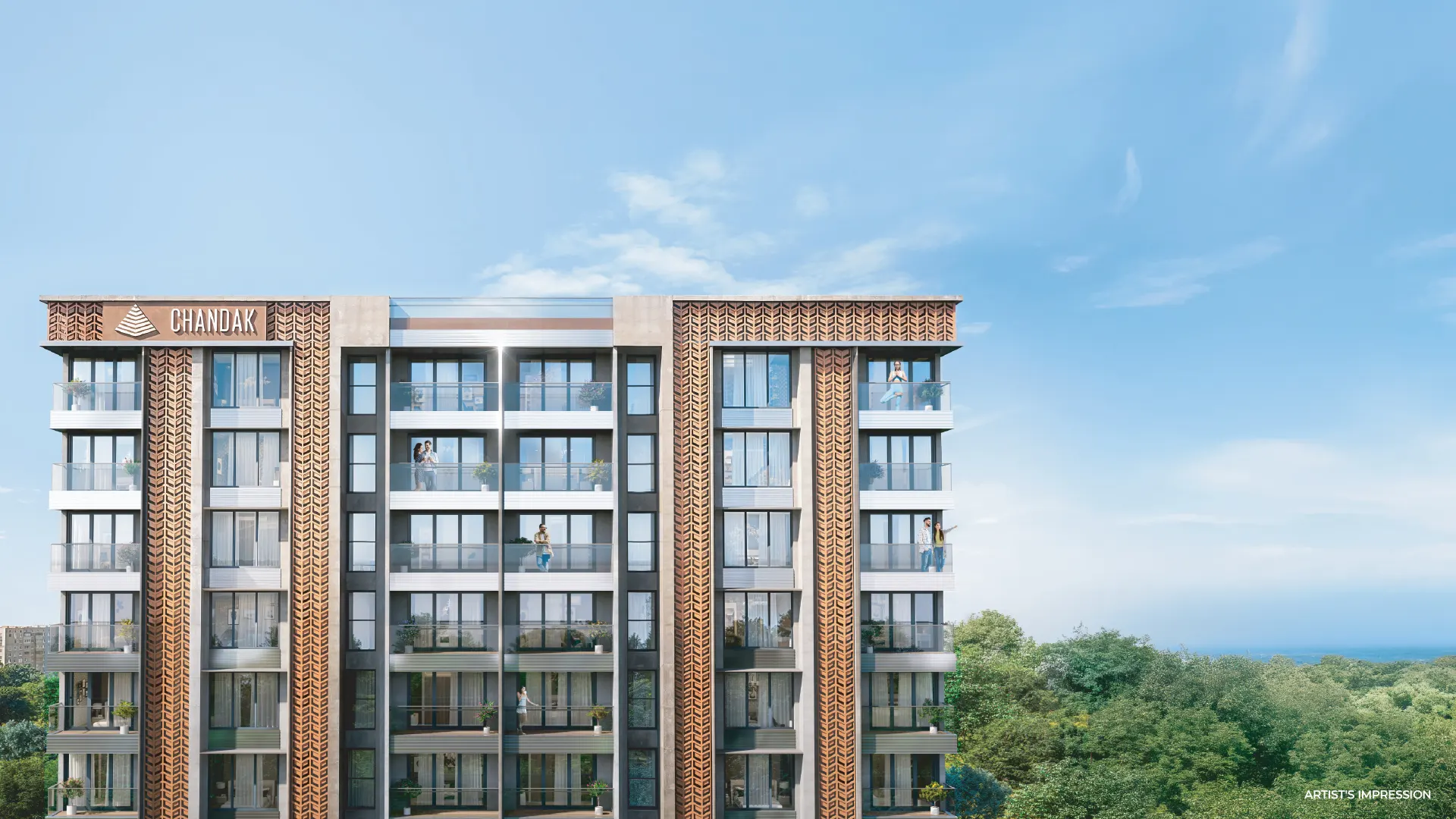
The developer’s track record is one of the most important considerations before purchasing a home.
Buyers should evaluate:
| Factor | What to Check |
|---|---|
| Delivery history | Previous project completion record |
| Transparency | Documentation and communication |
| Construction quality | Previous developments |
| Customer experience | Existing buyer feedback |
| Portfolio | Experience across locations |
Choosing an experienced developer can provide greater confidence during the buying process.
For instance, Chandak Group is developing residential projects across multiple Mumbai micro-markets, including Borivali East, Goregaon West, Andheri East, Chembur East, Vile Parle West and Mulund West.
Buyers can also review individual developments such as Chandak GreenAiry in Borivali East, Chandak Sarvam in Andheri East and Chandak Highscape City in Chembur East to compare project-specific configurations, amenities and connectivity.
Why Should Buyers Check RERA Registration Before Purchasing?
RERA compliance has become an important factor in residential and commercial real estate decisions.
Before purchasing a home, buyers should verify:
- RERA website of the specified projects
- Project approvals
- Possession timelines
- Developer information
- Legal documentation
RERA enhances transparency by ensuring that key project-related information is readily accessible to prospective homebuyers. However, merely verifying a project’s registration is not sufficient. Buyers should carefully review the project’s MahaRERA page and verify critical details, including the registered promoter, sanctioned and approved project information, construction progress, statutory approvals, and the declared possession timeline.
What Should You Look for in a Residential Project’s Amenities?

Amenities should not only look attractive; they should support everyday lifestyle needs.
Instead of evaluating only the number of amenities, buyers should consider:
| Amenity Category | Why It Matters |
|---|---|
| Fitness facilities | Supports healthy lifestyle choices |
| Recreation spaces | Creates community interaction |
| Children’s areas | Important for growing families |
| Senior-friendly spaces | Improves long-term usability |
| Security systems | Supports resident safety |
The right amenities depend on the buyer’s lifestyle requirements rather than simply the size of the amenity list. Understanding how modern amenities in residential projects support wellness, recreation, community interaction and everyday convenience can also help buyers distinguish genuinely useful facilities from purely promotional features.
Should Buyers Choose a New Launch or a Ready-to-Move Project?
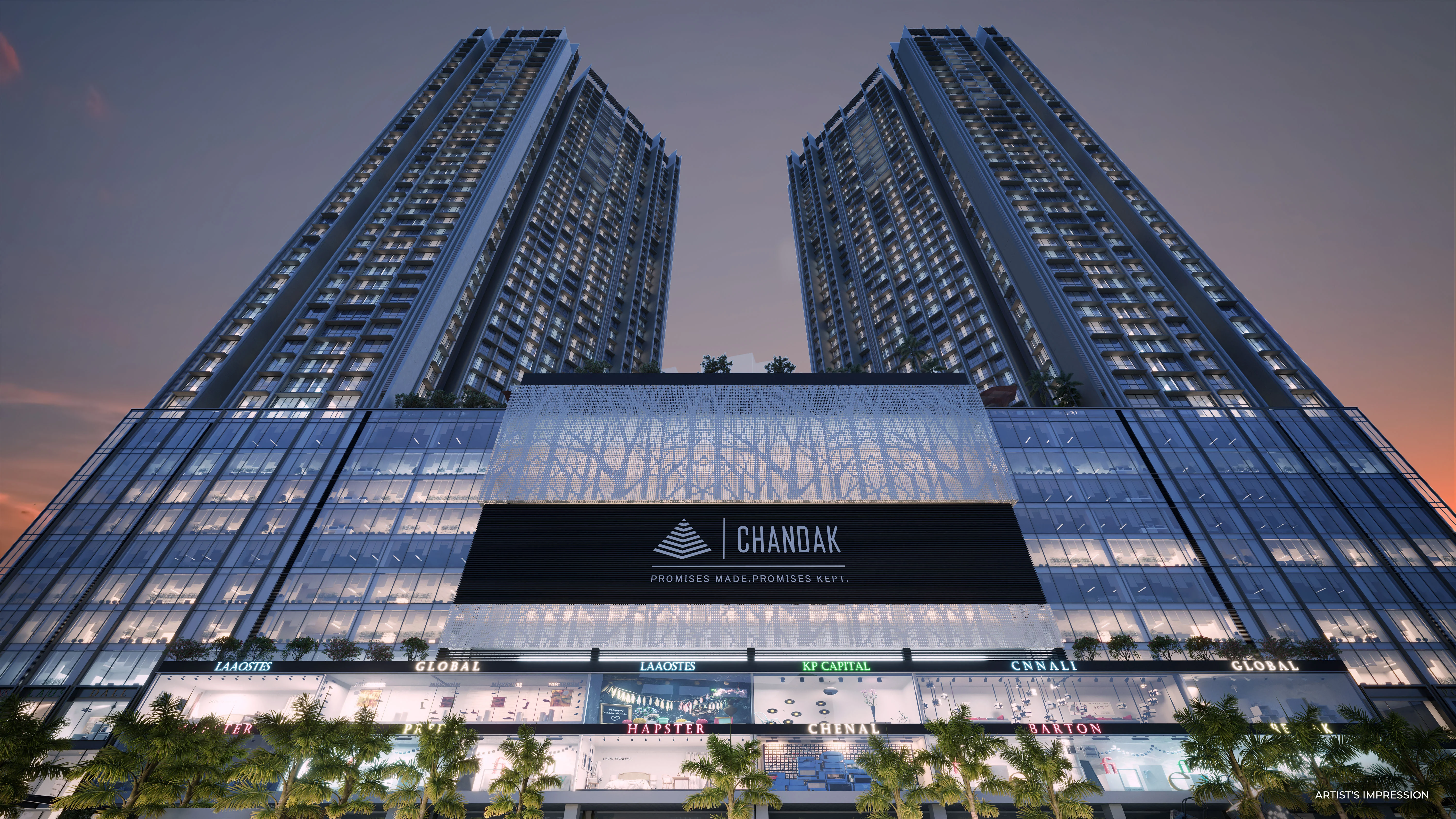
Both options have different advantages.
| Factor | New Launch | Ready-to-Move |
|---|---|---|
| Possession | Future possession | Immediate occupancy |
| Customisation | More flexibility | Limited changes |
| Price opportunity | Potential early-stage advantage | More established pricing |
| Decision visibility | Based on plans/specifications | Physical inspection possible |
Buyers who want to explore the differences in greater detail can compare ready-to-move vs under-construction flats in Mumbai, including factors such as possession timelines, pricing, taxation, inspection and delivery risk. The right choice depends on the buyer’s timeline, financial planning and preference.
How Does Social Infrastructure Affect Home Buying Decisions?
A residential location becomes more convenient when essential facilities are easily accessible.
Buyers should evaluate:
Education
Check availability of:
- Schools
- Colleges
- Learning centres
Healthcare
Consider proximity to:
- Hospitals
- Clinics
- Emergency facilities
Daily Convenience
Look for:
- Supermarkets
- Retail destinations
- Restaurants
- Entertainment options
Strong social infrastructure helps improve long-term living convenience.
Why Should Buyers Consider Future Infrastructure Before Buying?
Infrastructure development can influence how a neighbourhood evolves over time.
Important factors include:
- Upcoming metro corridors
- Road improvements
- Commercial developments
- Business hubs
- Public infrastructure projects
However, buyers should evaluate future projects carefully and consider realistic timelines rather than making decisions only based on future promises.
How Do You Evaluate Whether a Home Fits Your Lifestyle?

The right home depends on personal requirements.
Before buying, consider:
| Buyer Profile | Important Considerations |
|---|---|
| First-time buyers | Affordability, commute, essential amenities |
| Families | Schools, healthcare, neighbourhood quality |
| Professionals | Workplace connectivity |
| Investors | Location demand and future growth |
A home should support both current lifestyle needs and future changes.
What Documents Should You Check Before Buying a Flat?
Before finalising a purchase, buyers should review:
- RERA Website
- RERA Agreement
- Payment schedules
- Possession timelines
- Project approvals
- Builder credentials
Buyers who want a more detailed reference can follow a documents checklist for buying a house before signing or making the final payment. Taking professional advice where required can help buyers make a more informed decision.
Why Does Choosing the Right Project Matter More Than Just Choosing a Home?
A property purchase is a long-term commitment. While the apartment itself is important, factors such as location, developer credibility, infrastructure and neighbourhood quality influence the overall ownership experience.
Mumbai offers diverse residential opportunities across suburbs, and the right choice depends on how well a project aligns with individual priorities.
Final Checklist Before Buying a Flat in Mumbai
Before making a decision, buyers should evaluate:
- ✅ Location connectivity
- ✅ Developer track record
- ✅ RERA compliance
- ✅ Project specifications
- ✅ Amenities and lifestyle fit
- ✅ Social infrastructure
- ✅ Future development
- ✅ Legal documentation
- ✅ Budget suitability
- ✅ Long-term requirements
Frequently Asked Questions
What is the most important thing to check before buying a flat in Mumbai?
The most important factors are location, connectivity, developer credibility, legal approvals and long-term suitability.
How do I choose a reliable builder in Mumbai?
Buyers should evaluate a builder based on delivery history, transparency, previous projects, construction quality and customer experience.
Is RERA registration mandatory before buying a flat?s
Yes. For projects covered under RERA, the developer must register the project with the Real Estate Regulatory Authority before advertising, marketing, booking or selling units. Registration also gives buyers access to important project details, approvals, timelines and other disclosures, helping them make a more informed purchase decision.
Should I buy a new launch or ready-to-move flat?
The decision depends on your timeline, budget and preference. New launches may offer more flexibility, while ready-to-move projects allow buyers to inspect the completed property.
What should families consider before buying a home in Mumbai?
Families should evaluate schools, healthcare facilities, safety, neighbourhood quality, commute convenience and lifestyle requirements.
How do I know if a Mumbai property is a good investment?
Buyers should evaluate location demand, infrastructure development, developer credibility and long-term suitability rather than relying on a single factor.