

Is Now A Good Time To Buy Property In Mumbai, Or Should Buyers Wait?


By Chandak Group
10 Mins
12th June 2026
0 like
Is Now a Good Time to Buy Property in Mumbai, or Should Buyers Wait?
Every year, thousands of homebuyers across Mumbai find themselves asking the same question:
"Should I buy a home now, or wait for a better opportunity?"
Some buyers are hoping property prices will soften. Others are waiting for interest rates to fall or for a new project launch. Many simply want reassurance that they're making the right decision.
If you've been wondering whether now is a good time to buy property in Mumbai, you're not alone.
As a city, Mumbai has always rewarded long-term homeowners. While market cycles, interest rates, and economic conditions may change, the demand for quality homes in well-connected locations continues to remain strong.
The question isn't simply whether the market is ready.
The more important question is:
Are you ready, and have you found the right property?
Let's take a realistic look at the Mumbai property market forecast for 2026 and what buyers should actually focus on before making a decision.
Quick Answer: Should You Buy Property in Mumbai in 2026?
For most genuine end-users, yes.
If you have:
- Stable income
- A planned down payment
- Home loan eligibility
- A long-term ownership mindset
- A property that meets your family's needs
then waiting for the "perfect" market conditions may not necessarily work in your favour.
Historically, many buyers who delayed their purchase hoping for lower prices eventually found themselves paying more due to rising property values, increasing construction costs, or losing access to preferred inventory.
Why Buyers Are Still Hesitating
The hesitation is understandable.
Today's buyers are more informed than ever. Before making a purchase, they compare locations, builders, projects, infrastructure plans, and market forecasts.
Some of the most common concerns include:
- Will property prices fall?
- Is Mumbai still a good investment destination?
- Which are the best areas to invest in Mumbai in 2026?
- Are luxury apartments in Mumbai becoming overpriced?
- Which are the most trusted builders for flats in Mumbai?
These are valid questions.
However, market timing is only one part of the equation.
Mumbai's Real Estate Story Is Bigger Than Property Prices
One mistake many buyers make is viewing Mumbai as a single property market.
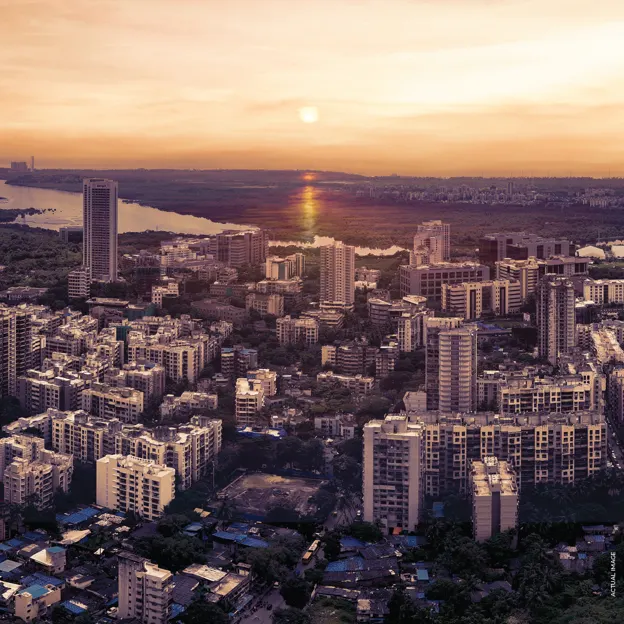
In reality, Mumbai is made up of multiple micro-markets, each with its own growth drivers.
A location connected to metro infrastructure, employment hubs, schools, hospitals, and major road networks will behave very differently from a location lacking those advantages.
This is why buyers should pay attention not just to property prices, but also to infrastructure development and neighbourhood quality.
Areas across Mumbai's western suburbs continue to attract interest because of improving connectivity, social infrastructure, and lifestyle offerings.
For example, locations such as Goregaon, Malad, Borivali, Vile Parle, and Andheri continue to benefit from strong residential demand due to their connectivity and access to business districts.
What Matters More Than Market Timing?
1. Buying in the Right Location
Location remains the single biggest factor influencing long-term property value.
When evaluating the best areas to invest in Mumbai in 2026, consider:
- Connectivity to metro and railway networks
- Access to business districts
- Educational institutions
- Healthcare infrastructure
- Lifestyle and recreational facilities
- Future development potential
A well-connected home can improve both your daily life and long-term property value.
2. Choosing the Right Developer
Not all projects are created equal.
The quality of construction, delivery track record, transparency, and after-sales experience can significantly impact your homeownership journey.
When researching real estate developers in Mumbai, buyers should evaluate:
- MahaRERA compliance
- Project delivery history
- Construction quality
- Customer reviews
- Financial credibility
Among the many builders in Mumbai, developers with a long-standing presence and proven track record often inspire greater confidence during uncertain market conditions.
The Chandak Group has spent decades developing residential and commercial spaces across Mumbai while focusing on connectivity, liveability, and long-term value creation.
3. Looking Beyond Square Footage
Today's homebuyers are increasingly prioritising lifestyle.
The conversation has shifted from:
"How big is the apartment?"
to
"How well does this home support my family's life?"
This is one reason why the demand for thoughtfully designed luxury apartments in Mumbai continues to remain strong.
Modern buyers value:
- Open spaces
- Wellness amenities
- Children's play areas
- Community experiences
- Larger balconies
- Better layouts
Projects that combine location, design, and lifestyle often continue to attract demand regardless of short-term market fluctuations.
For example:
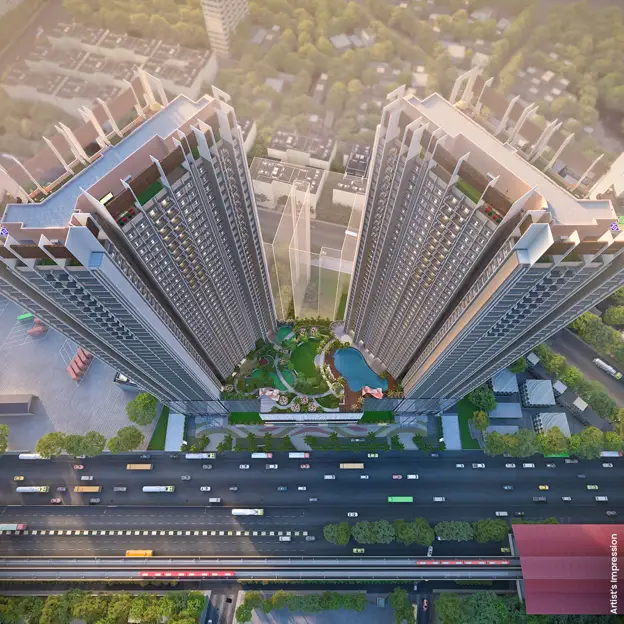
- Buyers seeking estate-style living in Goregaon may explore Chandak 34 Park Estate, which offers connectivity to major transport routes, metro access, and lifestyle amenities.
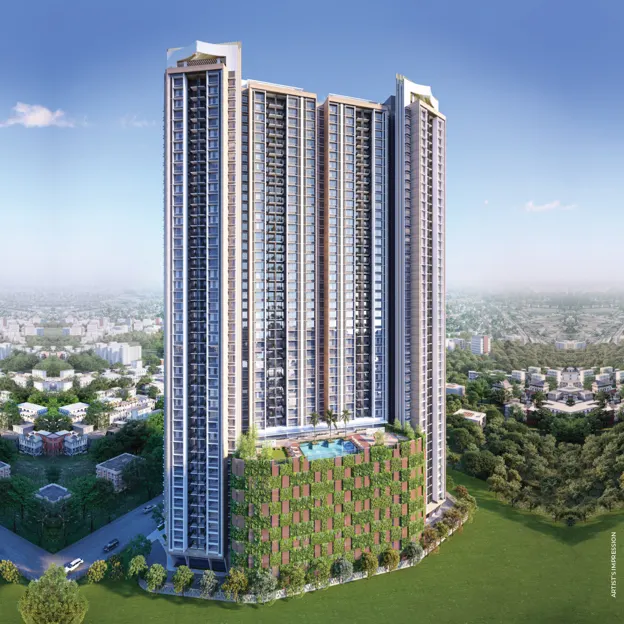
- Families looking for larger residences in Malad may consider Chandak Treesourus, which offers spacious homes, sun-deck residences, and proximity to schools, hospitals, malls, and employment hubs.
- Homebuyers exploring premium family living in Vile Parle West may find Chandak Vansham appealing because of its location, educational institutions, healthcare access, and community-centric environment.
- Buyers seeking nature-inspired living in Borivali can explore Chandak GreenAiry, which combines city connectivity with views of the Sanjay Gandhi National Park and integrated lifestyle amenities.
Is Waiting Always the Smarter Choice?
Not necessarily.
Waiting may make sense if:
- Your finances are not yet ready
- You haven't finalised your preferred location
- Your employment situation is uncertain
- The EMI would stretch your budget
However, if you are financially prepared and have identified the right property, delaying purely because of market speculation can sometimes become counterproductive.
During the waiting period:
- Property prices may rise
- Construction costs may increase
- Rental expenses continue
- Preferred inventory may be sold
The opportunity cost of waiting is often overlooked.
Signs You May Be Ready to Buy a Home
You may be ready if:
- You have stable income
- You have planned your down payment
- You have emergency savings
- You know which location suits your family
- You are thinking long-term
- You have shortlisted a trusted developer
If most of these apply to you, then your personal readiness may matter more than the market cycle itself.
Frequently Asked Questions
Will Mumbai property prices increase in 2026?
No one can predict property prices with certainty. However, locations supported by strong infrastructure, connectivity, and sustained demand tend to remain attractive over the long term.
Which are the best areas to invest in Mumbai in 2026?
The answer depends on your goals. Buyers typically evaluate locations based on connectivity, infrastructure, employment access, lifestyle offerings, and future growth potential.
How do I identify trusted builders for a flat in Mumbai?
Check the developer's project delivery history, MahaRERA compliance, construction quality, customer reviews, and market reputation before making a decision.
Should I buy a ready-to-move home or an under-construction property?
Both options have advantages. Ready-to-move homes offer immediate possession, while under-construction properties may provide flexible payment structures and appreciation potential.
Final Thoughts
Every property cycle creates two groups of buyers.
The first group waits for perfect conditions.
The second group focuses on finding the right home, in the right location, from the right developer.
In hindsight, the second group often benefits more.
The Mumbai property market will continue to evolve. New infrastructure projects will emerge, new residential communities will be built, and buyer preferences will continue to change.
But a thoughtfully chosen home in a well-connected location has the potential to create value for years-not just financially, but in the quality of life it offers.
If you're currently evaluating your options, focus less on timing the market and more on understanding your family's needs, your financial readiness, and the long-term potential of the property you're considering.
Sometimes, the best time to buy isn't when the market feels perfect.
It's when the right opportunity arrives.
You may also like
What Are IGBC and GRIHA Ratings? And Do They Increase Property Value?

Ready-to-Move vs Under-Construction Flats in Mumbai: Which Should You Choose?
Can NRIs Buy Property in Mumbai? FEMA Rules, Eligibility, and Key Things to Know
